Using Fun Experiences to Learn Greek
- Jason Weaver
- Jul 17, 2025
- 2 min read
Location-Based Group Experiences

One of the most beneficial things you can do to improve your Greek is have group activities in specific locations. Experiencing a certain (new) location and discussing it in the language has a way of carving new paths in your brain that the language can sit in. This is especially the case when using words that are uniquely connected to that location.
Since language by nature is a group activity, it is best learned and reinforced in group interaction. And as most educators recognize, using multiple senses in the learning process significantly increases the results.
Such activities can take a variety of forms, from going just outside the classroom to traveling to ancient sites around the world. I share two examples in this post, one 'near' and one 'far.'
A few years ago I had a handful of Greek students come to my home area for a 2 week course. I live on the coast of Georgia, in the USA. During that course we took several mini-trips to different locations and spent time in each location discussing our surroundings in Greek. I still remember learning the word for crab (καρκίνος) for the first time on one of our outings!


St. Simon's Island, GA
Another great thing about going out for activities like this is that you can have participants describe what 'we' did yesterday, this time, of course, using past tense forms. Using the aorist and imperfect for a memorable experience that actually happened in the past is a great way to begin to 'feel' the past tenses.
Dr. Buth, Dr. Runge and I recently visited the site of the ancient battle of Salamis, just outside of Athens in Greece. It was there that the much smaller Greek fleet defeated the massive Persian navy. We stood in the vicinity of the place where King Xerxes sat on this portable throne and watched the battle.
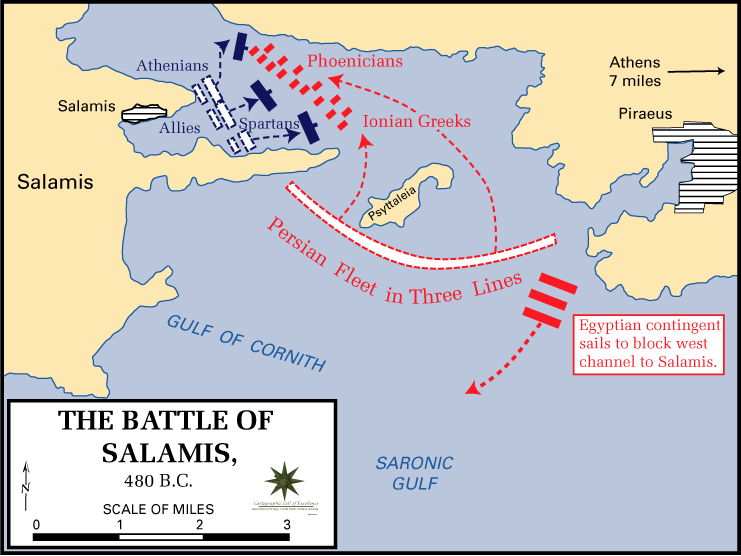
We plan to take a day trip to the site during our inaugural 9-month immersive Koine program this fall. We will read through a much-simplified version of the battle in Greek, noting the geographical features of the battle. It will be a fun time and will be a great way to reinforce certain basic sets of vocabulary.

So get creative! The more active and interactive the exercise, the better!
Comments